


Low oil levels do not directly trigger the check engine light since oil level is not monitored by engine sensors. However, sustained low oil can reduce lubrication, increasing engine heat and friction, which may cause sensor alerts and ultimately activate the light.
Other common causes include faulty oxygen sensors or loose gas caps. Regularly checking oil levels helps prevent related issues.
Exploring these factors further can clarify when and why this warning appears.
Can Low Oil Levels Trigger the Check Engine Light?
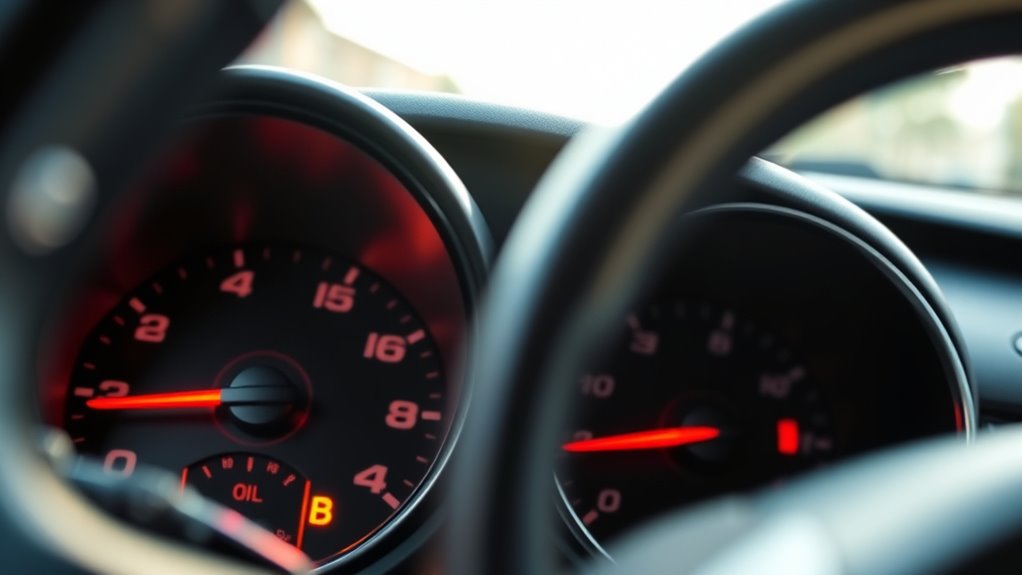
Low oil levels typically do not directly trigger the check engine light, as this warning is primarily linked to the engine’s electronic control system detecting issues with emissions, sensors, or performance. The check engine light activates when the onboard diagnostics system (OBD-II) senses a malfunction related to engine components monitored by sensors. Oil level itself is not monitored by these sensors. Instead, low oil levels may indirectly affect engine performance or cause mechanical damage over time, which could eventually lead to sensor-detected problems. However, the immediate indicator for low oil is usually the oil pressure warning light or a dedicated oil level monitor in some modern vehicles. Consequently, low oil levels alone generally do not cause the check engine light to illuminate.
How Low Oil Causes the Check Engine Light to Come On
Although low oil levels do not directly trigger the check engine light, sustained oil deficiency can lead to engine problems that activate the warning. Insufficient oil reduces lubrication, increasing friction and heat within the engine. This can cause sensors to detect abnormal conditions such as elevated engine temperature or irregular engine performance. The engine control unit (ECU) interprets these signals and may illuminate the check engine light to alert the driver. Additionally, low oil can cause oil pressure to drop, which some vehicles monitor via pressure sensors linked to the ECU. When oil pressure falls below a critical threshold, the system triggers the check engine light to prevent potential damage. Therefore, while low oil itself isn’t a direct cause, its effects on engine operation can indirectly prompt the warning light.
Other Engine Problems That Trigger the Check Engine Light
Engine issues beyond oil levels can also activate the check engine light. Problems such as faulty oxygen sensors, malfunctioning catalytic converters, or a loose gas cap frequently trigger this warning. Additionally, issues with the mass airflow sensor, spark plugs, or ignition coils can cause engine performance disruptions leading to light activation. Emission control system faults, including evaporative emission system leaks, often prompt alerts as well. Transmission problems and sensor failures related to engine timing may also illuminate the light. Each issue impacts engine efficiency or emissions, prompting onboard diagnostics to detect irregularities and notify the driver through the check engine light. Proper diagnosis using an OBD-II scanner is essential to identify the exact cause and avoid unnecessary repairs or overlooking critical engine faults.
How to Check Your Oil Level to Avoid Engine Warnings
To prevent warning lights related to oil issues, regular oil level checks are essential. The process begins by parking the vehicle on a level surface and turning off the engine, allowing it to cool for several minutes. Next, the dipstick is removed, wiped clean, and reinserted fully before being withdrawn again to assess the oil level. The oil should fall between the minimum and maximum marks on the dipstick. If the level is low, adding the recommended oil type gradually is advised to avoid overfilling. Consistent monitoring helps maintain ideal engine lubrication and prevents potential damage that could trigger warning indicators. This simple maintenance step supports engine health and reduces the likelihood of oil-related check engine light activations.
When Should You See a Mechanic for the Check Engine Light?
When is it necessary to consult a mechanic after the check engine light illuminates? Immediate professional attention is warranted to prevent potential damage or safety issues. Consider these situations:
- The check engine light is flashing, indicating a severe engine misfire.
- The vehicle exhibits noticeable performance problems such as stalling or reduced power.
- The light remains on after refilling low oil levels or other routine checks.
- The vehicle fails an emissions test or shows increased fuel consumption.
In these cases, a diagnostic scan by a mechanic can identify underlying faults that may not be apparent. Prompt intervention ensures engine longevity and avoids costly repairs. Ignoring the warning may exacerbate mechanical issues, leading to more extensive damage.
Frequently Asked Questions
Can Synthetic Oil Prevent the Check Engine Light From Coming On?
Synthetic oil does not directly prevent the check engine light from turning on. This warning is activated by your vehicle’s onboard diagnostics detecting engine or emission system issues, which are unrelated to the type of oil used. However, using synthetic oil can enhance engine performance and reduce wear by providing superior lubrication, potentially lowering the risk of engine problems that might trigger the light. For reliable operation and to avoid check engine warnings, regular maintenance and timely repairs are crucial regardless of the oil type.
Does Low Oil Pressure Cause the Car to Stall?
Low oil pressure can cause your car to stall, hesitate, or lose power suddenly. When oil pressure is too low, the engine components don’t get enough lubrication, leading to increased friction, overheating, and potential damage. This disrupts the engine’s normal function and can cause it to stall. Keeping oil pressure within the proper range is essential to prevent stalling, ensure smooth engine performance, and avoid expensive repairs due to engine failure.
How Often Should Oil Be Changed to Prevent Engine Issues?
Oil should be changed every 3,000 to 7,500 miles, based on your vehicle manufacturer’s guidelines and the type of oil used. Regular oil changes ensure proper engine lubrication, preventing wear, overheating, and costly damage. Skipping timely oil changes can cause sludge buildup and reduce engine efficiency. To maintain optimal engine performance, regularly check oil levels and quality between changes. Following these practices helps avoid expensive repairs and extends engine life.
Can Oil Additives Affect the Check Engine Light?
Oil additives can sometimes trigger the check engine light. These additives may change the oil’s composition or cause residue buildup, which can interfere with engine sensors that monitor performance. While additives aim to enhance engine function, they can occasionally cause false alarms, leading to warning lights. If the check engine light comes on after using oil additives, it’s important to have a professional diagnose the issue to determine if it’s a real problem or a sensor reacting to the additives.
Is It Safe to Drive With the Check Engine Light on Due to Oil?
Driving with the check engine light on due to oil-related issues is unsafe and can cause serious engine damage. This warning often signals low oil pressure or oil level problems. To avoid costly repairs and engine failure, have your oil checked and corrected immediately. Prompt attention ensures your vehicle’s safety and extends its lifespan.
Conclusion
Low oil levels can indeed trigger the check engine light, signaling potential engine damage if ignored. Studies show that nearly 30% of vehicles with illuminated check engine lights suffer from oil-related issues, underscoring the significance of regular oil checks.
Addressing low oil promptly helps prevent costly repairs and guarantees engine longevity. Consequently, monitoring oil levels and seeking timely mechanical advice remain essential steps in maintaining vehicle health and safety.