

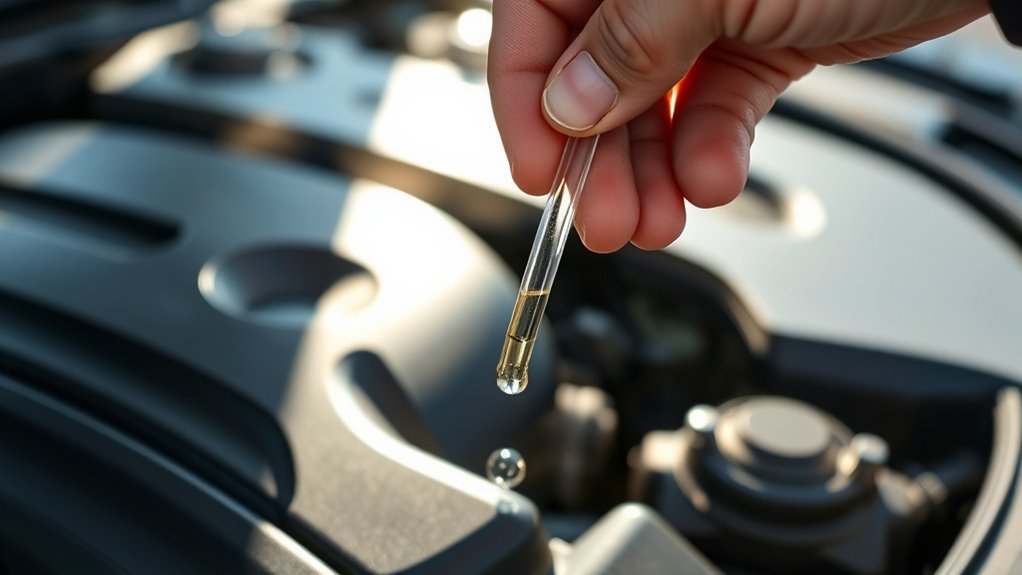
Engine oil is best checked when the engine is cold to guarantee an accurate and consistent measurement. After the engine is turned off, oil settles and contracts to a stable level, providing a reliable baseline.
Hot oil expands and can cling to engine parts, causing less precise readings.
Proper checking techniques and understanding oil levels are essential for vehicle health and maintenance.
Further insights cover temperature effects, correct procedures, and avoiding common mistakes.
Should You Check Engine Oil When Hot or Cold?
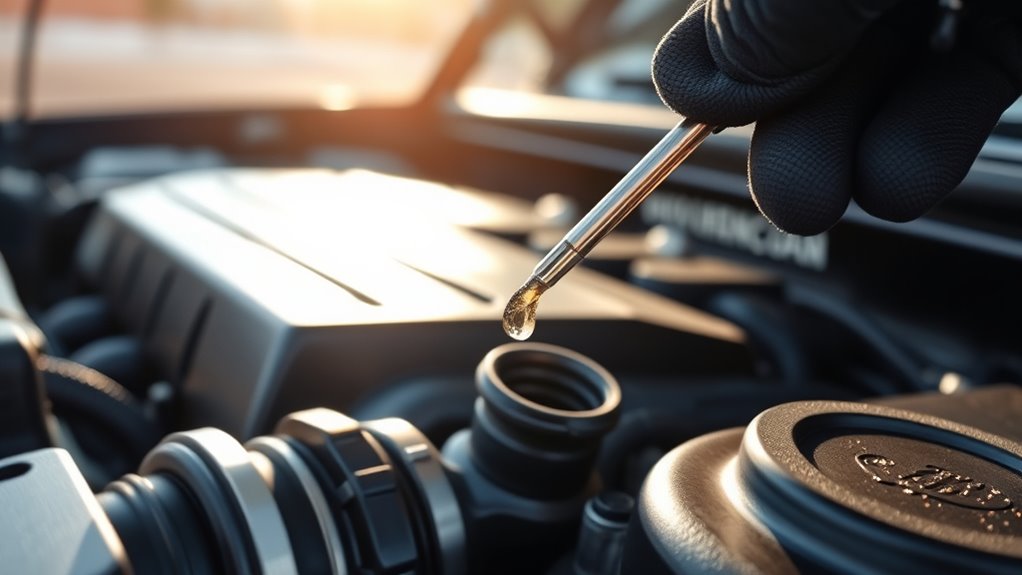
Although some may assume that checking engine oil temperature is best done immediately after driving, determining whether to check the oil when hot or cold depends on the specific purpose of the measurement and the vehicle manufacturer’s recommendations. Typically, manufacturers specify the ideal conditions for oil checks in the owner’s manual, which often suggest checking the oil after the engine has been off for a period to allow oil to settle. Checking oil when cold provides a consistent baseline, as oil has fully settled in the pan, enabling an accurate level measurement. Conversely, some diagnostics require oil temperature readings while the engine is hot to assess operating conditions. Consequently, adherence to manufacturer guidance ensures accurate, reliable oil assessments aligned with the vehicle’s design parameters.
Why Engine Temperature Affects Engine Oil Check Accuracy
Understanding the impact of engine temperature on oil check accuracy involves recognizing how temperature influences oil properties and behavior within the engine. Engine oil expands as it heats, causing its level to rise, while cooling causes contraction, lowering the apparent level. Additionally, warm oil flows more freely, distributing evenly in the engine’s sump, whereas cold oil thickens, potentially clinging to internal surfaces and skewing level readings. Temperature also affects oil viscosity, which can impact the dipstick’s ability to provide a consistent measurement. These factors combined mean that oil level readings vary depending on whether the engine is hot or cold, influencing accuracy. Consequently, the temperature at the time of measurement must be considered to avoid misinterpreting oil quantity and condition.
How to Check Engine Oil Correctly at Any Temperature
To check engine oil correctly at any temperature, the vehicle should first be prepared by parking on a level surface and allowing the engine to reach a stable state. The dipstick must then be located, removed, wiped clean, reinserted, and withdrawn again to read the oil level accurately. Finally, interpreting the oil level on the dipstick guarantees proper assessment regardless of temperature conditions.
Prepare Your Vehicle
Before checking the engine oil, the vehicle should be parked on a level surface and the engine allowed to cool for several minutes. This guarantees an accurate oil level reading and minimizes the risk of burns. Preparing the vehicle properly contributes to reliable evaluation regardless of oil temperature.
To prepare the vehicle for an oil check:
- Engage the parking brake to prevent movement.
- Turn off the engine and allow it to settle for 5-10 minutes.
- Open the hood and secure it fully with the support rod.
- Locate and clean the oil dipstick handle to prevent contamination.
Following these steps guarantees safety and accuracy when measuring engine oil levels at any temperature.
Locate And Use Dipstick
Although locating the dipstick may vary slightly between vehicle models, it is typically found near the engine block with a brightly colored handle for easy identification. To check the oil, the dipstick should be fully withdrawn, wiped clean with a lint-free cloth, then reinserted completely back into its tube. This guarantees an accurate reading by removing residual oil that could distort the level measurement. After reinsertion, the dipstick must be pulled out again carefully, holding it horizontally to avoid oil running along the stick. Observing the oil’s position on the marked indicators provides the basis for evaluating the engine’s oil quantity. This procedure applies regardless of whether the engine is hot or cold, making it a consistent step in proper oil level checking.
Interpret Oil Level
How can one accurately interpret the engine oil level after using the dipstick? After withdrawing the dipstick, it is essential to clean it before reinsertion to ensure an accurate reading. Once reinserted and removed again, the oil level can be assessed by examining the markings on the dipstick.
- Identify the minimum and maximum marks, which indicate the acceptable oil range.
- Observe the oil film on the dipstick; it should lie between these two marks.
- If the oil level is below the minimum mark, additional oil is necessary.
- If the level exceeds the maximum mark, it may indicate overfilling, which can harm the engine.
Interpreting the oil level correctly ensures proper engine lubrication and longevity.
How to Interpret Engine Oil Levels for Your Car’s Health
Interpreting engine oil levels provides essential insight into a vehicle’s overall condition and performance. A proper oil level indicates the engine is adequately lubricated, reducing wear and maintaining efficiency. Levels below the recommended mark may signal leaks, consumption, or inadequate maintenance, potentially leading to engine damage. Conversely, oil above the maximum level can cause excessive pressure, foaming, or seal damage. Beyond quantity, the oil’s appearance also matters; dark, gritty oil suggests contamination or the need for replacement. Regularly monitoring oil levels helps detect issues early, ensuring ideal engine health and longevity. Understanding these indicators allows timely interventions, avoiding costly repairs and maintaining reliable vehicle operation.
Avoid These Common Oil Check Mistakes
Accurate oil level readings are only part of maintaining proper engine lubrication; the method of checking also considerably impacts the reliability of the results. Common mistakes can lead to misleading conclusions about engine health. Avoid these pitfalls to guarantee accurate assessments:
Accurate oil readings rely not just on measurement but also on proper checking methods to ensure reliability.
- Checking oil immediately after shutting off the engine, when oil has not settled in the pan.
- Failing to park the vehicle on a level surface, which can skew oil level readings.
- Neglecting to wipe the dipstick before reinserting it, causing inaccurate measurements.
- Overlooking the manufacturer’s recommendations regarding oil temperature during checks.
Tips to Maintain Engine Oil Between Checks
Although regular oil checks are essential, maintaining engine oil quality between inspections plays a crucial role in ensuring engine longevity and performance. Drivers should adhere to recommended oil change intervals based on manufacturer guidelines and driving conditions. Using the correct oil grade and type helps optimize engine protection and efficiency. Avoiding extreme driving habits, such as frequent short trips or aggressive acceleration, can reduce oil contamination and degradation. Keeping the engine clean and promptly addressing leaks or unusual noises prevents oil loss and potential damage. Additionally, storing the vehicle in a sheltered environment minimizes exposure to temperature extremes that can affect oil viscosity. These proactive measures help preserve engine oil integrity, supporting consistent lubrication and preventing premature engine wear.
Frequently Asked Questions
What Type of Oil Is Best for Extreme Weather Conditions?
Synthetic motor oils are the best choice for extreme weather conditions because they offer superior stability and performance across a wide temperature range. In cold weather, synthetic oils stay fluid, ensuring easier engine starts and faster lubrication. In hot weather, they resist breakdown and maintain viscosity to protect engine parts. Multi-grade synthetic oils, such as 5W-30 or 0W-40, are highly recommended for their ability to adapt to both cold and hot temperatures, providing reliable engine protection year-round.
How Often Should Engine Oil Be Changed?
Engine oil should be changed every 3,000 to 7,500 miles, depending on your vehicle type and oil quality. Regular oil changes keep your engine lubricated, reduce wear, and prevent costly repairs. Modern synthetic oils and newer engines often allow for longer intervals, but always follow the manufacturer’s recommendations and consider your driving conditions to maintain optimal engine performance.
Can Synthetic Oil Improve Engine Performance?
Synthetic oil improves engine performance by delivering superior lubrication and reducing friction, which helps engines run smoother. It maintains stable viscosity across a wide temperature range, ensuring consistent operation under extreme conditions. This enhances fuel efficiency, protects against wear and deposits, and extends engine life. Using synthetic oil results in better overall engine reliability and optimized performance.
What Are Signs of Oil Contamination?
Signs of oil contamination include a milky or frothy appearance, which indicates coolant mixing with oil, and a burnt smell, signaling possible overheating. Dark, gritty oil suggests the presence of dirt or metal particles, while sludge buildup points to oil degradation or poor maintenance. Other warning signs are a sudden drop in oil level and unusual engine noises. Detecting these signs early through regular oil inspection helps prevent engine damage and maintain optimal performance.
How Does Oil Viscosity Affect Engine Efficiency?
Oil viscosity plays a crucial role in engine efficiency by balancing lubrication and friction. Thicker oils increase resistance, making the engine work harder and use more fuel, while thinner oils may not protect engine parts sufficiently, causing wear. Using the correct oil viscosity ensures optimal film strength and flow, reducing friction and heat, which improves fuel economy and extends engine life. Manufacturers recommend specific viscosity grades to achieve the best performance and efficiency.
Conclusion
Checking engine oil is like reading a crucial health report for a car’s heart. Whether hot or cold, understanding the right method guarantees accurate results, safeguarding engine performance.
By avoiding common mistakes and maintaining proper oil levels, drivers can prevent costly damage and prolong engine life. Treating oil checks with care and consistency keeps the engine running smoothly, much like regular check-ups keep a person healthy and strong.