

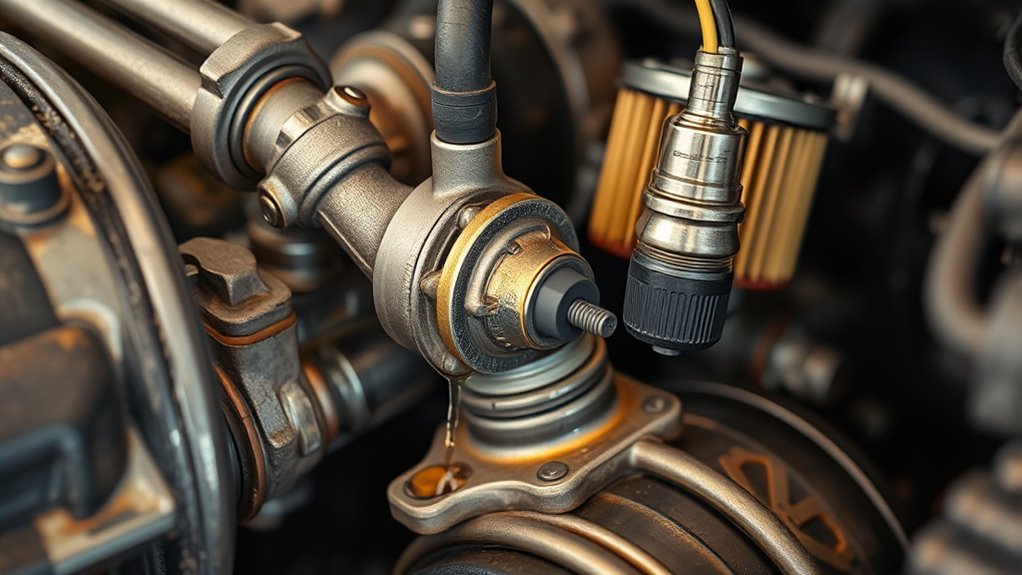
Low oil pressure in an engine is caused by factors that reduce oil flow and volume. Common causes include a worn-out oil pump with damaged components, clogged oil filters restricting circulation, and oil leaks from seals or gaskets.
Using the wrong oil viscosity can also affect pressure by altering flow resistance. Additionally, engine wear increases internal clearances, lowering pressure.
Understanding these causes helps identify potential issues and explore effective solutions to maintain proper lubrication.
Why Low Oil Pressure Is Dangerous for Your Engine
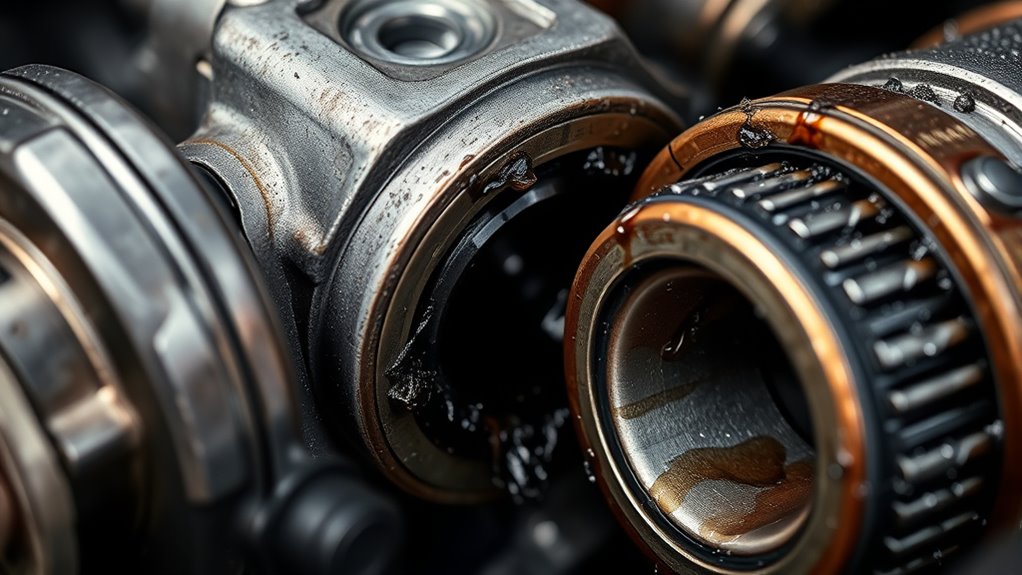
Although often overlooked, low oil pressure poses a serious threat to an engine’s health because it compromises the lubrication system essential for reducing friction and wear. When oil pressure drops, oil fails to adequately circulate through engine components, leading to insufficient lubrication. This condition increases metal-to-metal contact, accelerating wear on critical parts such as bearings, camshafts, and pistons. Prolonged operation under low oil pressure can cause overheating and eventual engine seizure due to excessive friction. Additionally, inadequate oil flow impairs the removal of heat and contaminants, further degrading engine performance and longevity. Therefore, maintaining proper oil pressure is crucial to ensure the engine operates efficiently, minimizing damage and avoiding costly repairs associated with premature wear and mechanical failure.
How a Worn-Out Oil Pump Lowers Your Oil Pressure
A worn-out oil pump considerably reduces oil pressure by failing to maintain the necessary flow rate throughout the engine. Over time, internal components of the pump such as gears and rotors wear down, leading to decreased efficiency. This wear results in insufficient oil circulation, causing oil pressure to drop. A failing pump cannot generate enough pressure to adequately lubricate engine parts, increasing the risk of damage.
| Pump Component | Wear Effect | Impact on Oil Pressure |
|---|---|---|
| Gears | Increased clearance | Lower pressure |
| Rotors | Surface degradation | Reduced flow rate |
| Pump Housing | Wear and tear | Oil leakage |
| Seals | Hardening/cracking | Pressure loss |
Regular inspection guarantees timely replacement, maintaining essential oil pressure and engine health.
Why Clogged Oil Filters Cause Low Oil Pressure
Clogged oil filters considerably impede the flow of oil through the engine, leading to a drop in oil pressure. When filters become obstructed by dirt, sludge, or debris, oil cannot circulate efficiently, causing pressure reductions. The following factors illustrate why clogged filters cause low oil pressure:
- Restricted oil flow limits lubrication to engine components.
- Increased resistance forces the oil pump to work harder, reducing pressure output.
- Bypass valves may engage, allowing unfiltered oil but resulting in inconsistent pressure.
- Accumulated contaminants reduce filter effectiveness, accelerating clogging and pressure loss.
Regular maintenance and timely filter replacement are essential to prevent clogging and maintain proper oil pressure, ensuring engine longevity and prime performance.
How Oil Leaks Reduce Engine Oil Pressure
Oil leaks create openings in the engine’s lubrication system, allowing oil to escape and reducing the overall oil volume available for circulation. This reduction directly lowers oil pressure, as less oil is pumped through the engine’s critical components. Common leak sources include gaskets, seals, and oil pan damage, all of which diminish the system’s integrity. Persistent leaks can cause oil levels to drop rapidly, risking engine damage due to insufficient lubrication.
| Leak Source | Impact on Oil Pressure |
|---|---|
| Worn Gaskets | Oil escapes, pressure drops |
| Damaged Oil Pan | Major oil loss, rapid pressure decrease |
| Faulty Seals | Continuous leak, gradual pressure loss |
Timely repairs prevent severe pressure drops and maintain engine reliability.
How Wrong Oil Viscosity Lowers Oil Pressure
Leaks are not the only factor that can cause a drop in engine oil pressure; the viscosity of the lubricant plays a significant role as well. Oil viscosity, defined by its resistance to flow, must match engine specifications to maintain proper pressure. Using oil with incorrect viscosity can lead to:
- Thinner oil than specified, reducing resistance and lowering pressure.
- Thicker oil than recommended, causing sluggish flow but potentially damaging pressure sensors.
- Inconsistent oil performance at varying temperatures, disrupting stable pressure.
- Increased engine wear due to inadequate lubrication, indirectly affecting pressure.
Selecting the correct oil viscosity ensures ideal flow and pressure, protecting engine components. Deviations compromise lubrication efficiency and pressure regulation, leading to potential engine damage if unaddressed.
How Engine Wear Causes Low Oil Pressure
Although engine wear is a gradual process, its impact on oil pressure can be significant. Over time, components such as bearings, camshafts, and crankshafts develop wear that enlarges clearances within the oil passages. These increased clearances allow oil to flow more freely, reducing the pressure required to circulate it effectively. Consequently, oil pressure drops, potentially leading to inadequate lubrication and accelerated engine damage.
The following table summarizes common worn components and their effects on oil pressure:
| Worn Component | Effect on Oil Flow | Resulting Oil Pressure Impact |
|---|---|---|
| Main Bearings | Increased clearance | Lowered oil pressure |
| Rod Bearings | Oil leakage | Pressure drop |
| Camshaft Journals | Widened gaps | Reduced pressure |
| Oil Pump Gear | Wear and slip | Decreased pressure output |
| Valve Lifters | Excessive clearance | Oil pressure fluctuation |
How to Diagnose and Fix Low Oil Pressure
Diagnosing low oil pressure begins with checking the engine oil level to guarantee it is within the recommended range. Next, the oil pump should be inspected for proper function and potential damage. Replacing a clogged or worn oil filter can also help restore normal oil pressure.
Checking Oil Levels
How can low oil pressure be accurately identified through oil level checks? Low oil pressure often correlates with insufficient oil quantity in the engine. To verify oil levels, follow these steps:
- Park the vehicle on a level surface and turn off the engine, allowing it to cool for several minutes.
- Locate and remove the dipstick, then wipe it clean with a lint-free cloth.
- Reinsert the dipstick fully, then remove it again to observe the oil level relative to the marked indicators.
- If the oil level is below the minimum mark, add the recommended oil type gradually, rechecking until the level reaches the proper range.
Consistently low oil levels may indicate leaks or excessive consumption, both contributing to low oil pressure and requiring further investigation.
Inspecting Oil Pump
After confirming that oil levels are adequate, the focus shifts to the oil pump as a potential source of low oil pressure. The oil pump is responsible for circulating oil throughout the engine, and any malfunction can cause pressure drops. Inspection begins by checking for external leaks and unusual noises, then measuring pressure with a mechanical gauge. If low pressure persists, the pump may be worn or damaged. Disassembly allows for visual inspection of gears, housing, and clearances. Repair or replacement is often necessary if wear or damage is found.
| Symptom | Possible Cause |
|---|---|
| Low oil pressure gauge | Worn pump gears |
| Engine noise | Pump cavitation |
| Oil leaks | Damaged pump housing |
| Pressure drop at idle | Faulty relief valve |
Replacing Oil Filter
A common cause of low oil pressure is a clogged or faulty oil filter, which restricts oil flow and reduces system efficiency. Replacing the oil filter can restore proper oil circulation and improve pressure levels. The process involves:
- Draining the engine oil to prevent spills during filter removal.
- Removing the old oil filter using an appropriate wrench.
- Applying a thin layer of fresh oil on the new filter’s gasket to ensure a proper seal.
- Installing the new filter by hand-tightening it, then refilling the engine with the recommended oil type and quantity.
After replacement, starting the engine and monitoring the oil pressure gauge confirms the issue is resolved. Regular filter changes help maintain ideal oil pressure and engine health.
Frequently Asked Questions
Can Low Oil Pressure Trigger the Check Engine Light?
Yes, low oil pressure can trigger the check engine light. When the engine control unit detects oil pressure below a safe level through sensors, it activates the warning light to alert the driver. This early warning helps prevent engine damage by prompting immediate inspection and maintenance. Ignoring low oil pressure warnings can cause serious engine problems due to poor lubrication and increased wear.
How Often Should Engine Oil Pressure Be Checked?
Engine oil pressure should be checked during every routine maintenance service or at least every 3,000 to 5,000 miles, according to the vehicle manufacturer’s guidelines. Regular monitoring of oil pressure helps detect potential engine problems early, preventing costly damage from poor lubrication. It’s also important to check oil pressure immediately if you notice unusual engine noises or warning lights. Consistent oil pressure checks ensure optimal engine performance and longevity.
Does Driving Style Affect Engine Oil Pressure?
Driving style can influence engine oil pressure, though the effects are generally subtle. Aggressive acceleration and high RPMs increase the demand for oil flow, temporarily raising oil pressure. In contrast, gentle driving helps maintain more stable oil pressure levels. Abrupt stops or extended idling may cause fluctuations or drops in oil pressure. Despite these variations, the engine’s mechanical condition and oil quality are the primary factors that ensure consistent oil pressure, optimal engine performance, and longevity.
Can Synthetic Oil Prevent Low Oil Pressure?
Synthetic oil helps maintain proper oil pressure by offering superior viscosity stability and improved flow in extreme temperatures compared to conventional oils. Its resistance to breakdown and thinning ensures consistent lubrication and stable oil pressure. However, synthetic oil cannot prevent low oil pressure caused by mechanical problems such as worn bearings, oil pump failure, or clogged filters. For optimal oil pressure, regular engine maintenance and timely repairs are essential.
Is Low Oil Pressure Common in Certain Car Models?
Low oil pressure is more common in certain car models, especially older vehicles or those with engines known for premature wear or oil pump issues. Cars with high mileage or specific oil viscosity requirements are also prone to low oil pressure. To prevent this problem, regular maintenance and using the recommended oil type are essential for maintaining proper engine performance across different models.
Conclusion
Low oil pressure endangers engine health, signals worn-out components, indicates clogged filters, reveals oil leaks, reflects improper viscosity, and exposes engine wear. Recognizing these causes allows timely diagnosis, guarantees proper maintenance, and prevents costly damage.
Addressing oil pressure issues protects engine performance, preserves longevity, and maintains reliability. Understanding the root causes and responding promptly supports ideal function, safeguards investment, and promotes vehicle safety.
Low oil pressure demands attention, action, and care.