

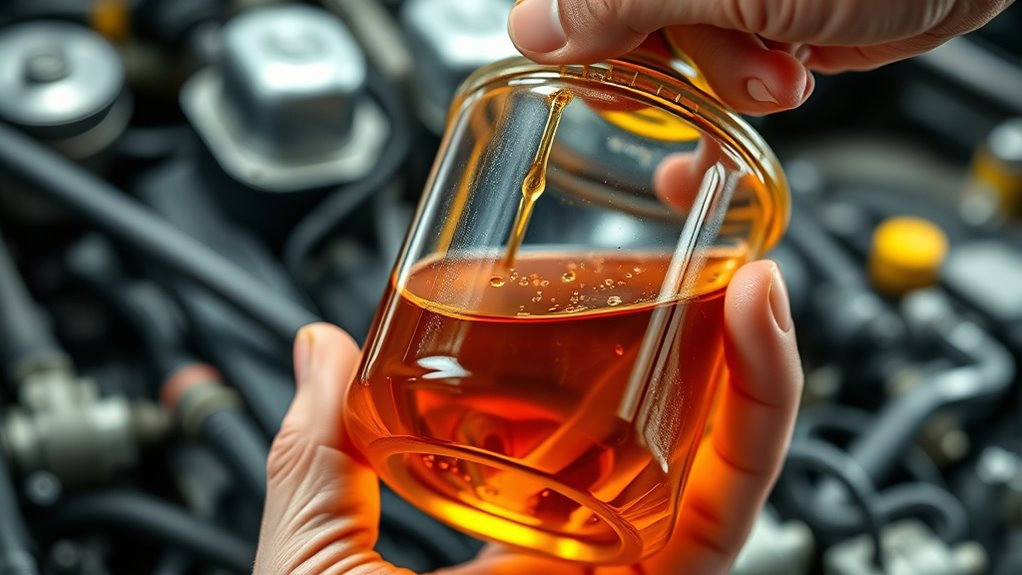
If you notice that your motor oil smells like gasoline, it’s a clear indication that fuel is leaking into the oil system. This contamination thins the oil, compromising its ability to lubricate and protect your engine effectively.
Common causes include worn piston rings, faulty fuel injectors, a malfunctioning carburetor, or a stuck PCV valve.
When fuel mixes with the oil, it can lead to serious engine problems such as increased wear, rough idling, and higher fuel consumption.
Detecting this issue early is crucial to prevent costly repairs and maintain engine performance.
Understanding why this happens and how to address it can help you keep your vehicle running smoothly and efficiently.
In this article, I will explain the main reasons behind gas-contaminated motor oil and what steps you can take to fix the problem.
Why Does Motor Oil Smell Like Gasoline?
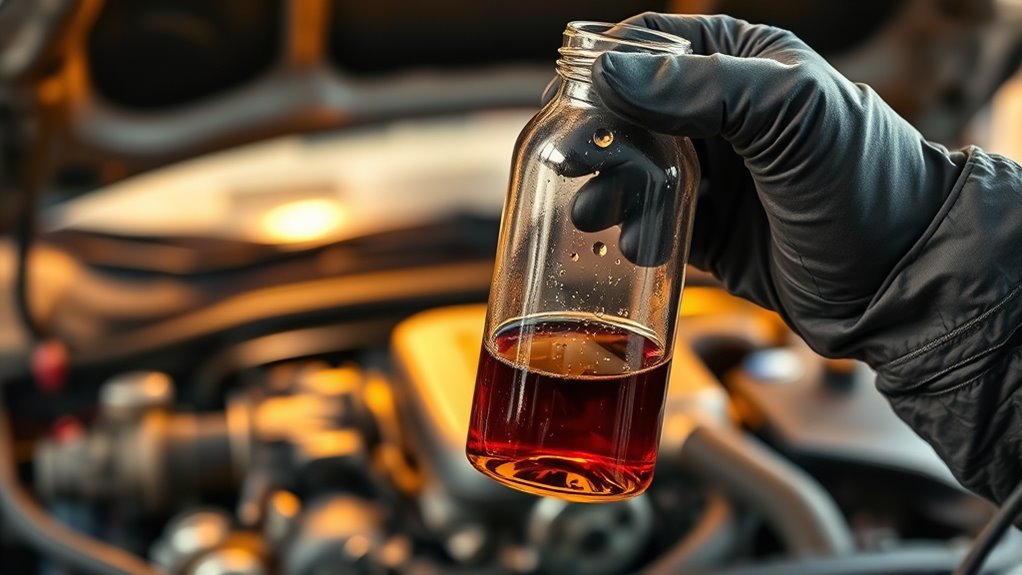
When you notice your motor oil smelling like gasoline, it usually means fuel is leaking into the oil system. This contamination lowers the oil’s ability to lubricate and protect your engine.
You might not see obvious symptoms immediately, but the smell is an early warning. Fuel mixing with oil thins the oil, reducing its viscosity, which can cause increased engine wear.
The gasoline smell signals early fuel contamination, which thins oil and accelerates engine wear.
It also compromises the oil’s ability to maintain proper pressure and temperature. If you ignore this smell, you risk damaging critical components like bearings and pistons.
Catching this issue early helps you prevent costly repairs and keeps your engine running smoothly. Always address the gasoline smell promptly to maintain your vehicle’s performance and longevity.
Common Causes of Gasoline in Motor Oil
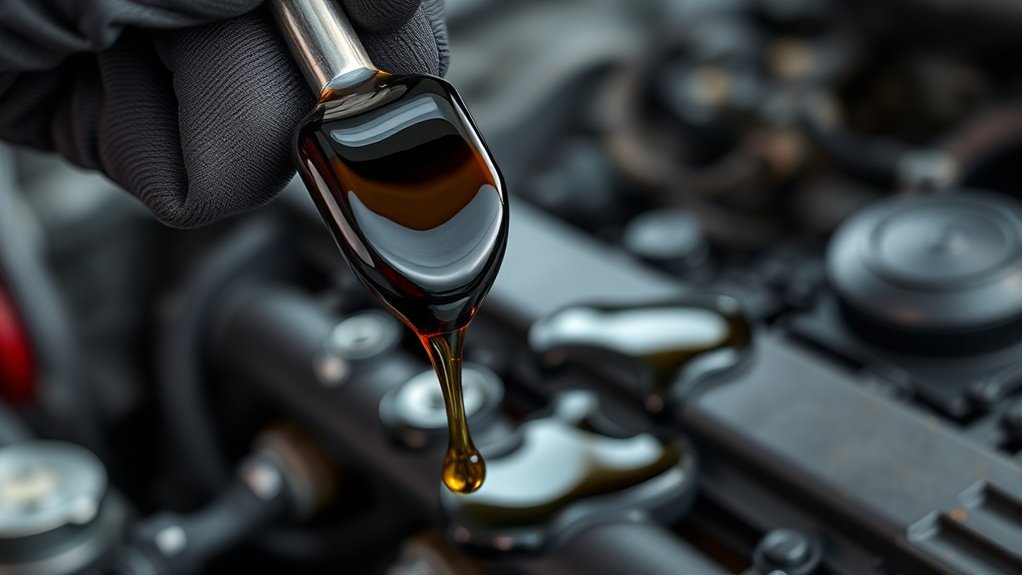
Noticing gasoline in your motor oil indicates a problem that needs identifying quickly. One common cause is fuel dilution, which happens when unburned fuel leaks past worn piston rings or valve seals and mixes with the oil. This contamination thins the oil, reducing its ability to lubricate effectively.
Another cause could be frequent short trips that don’t allow the engine to reach ideal temperature. This leads to incomplete combustion and fuel residue entering the oil. Additionally, a malfunctioning carburetor or fuel injection system can cause excess fuel to enter the combustion chamber, increasing the chance of gasoline seeping into the oil.
Catching these issues early helps prevent severe engine damage. If you notice the smell, it’s time to inspect and address the root cause promptly.
How a Leaking Fuel Injector Contaminates Oil
If you notice your motor oil smelling like gas, a leaking fuel injector might be the culprit. When injectors leak, fuel seeps into the oil, thinning it and reducing its ability to protect your engine. You’ll want to catch this early by checking for signs like fuel odors or oil discoloration before it causes serious damage.
Causes of Fuel Injector Leaks
Because fuel injectors operate under high pressure and extreme conditions, they can develop leaks from worn seals, cracked injector bodies, or clogged nozzles. When these parts fail, fuel can escape and mix with your motor oil, causing a gas smell. Check for these common causes to prevent further contamination.
| Cause | Description | Effect on Injector |
|---|---|---|
| Worn Seals | Seals degrade over time | Fuel leaks past seal rings |
| Cracked Injector | Physical damage or heat stress | Fuel seeps from cracks |
| Clogged Nozzles | Deposits block fuel flow | Improper spray, leaks |
Identifying these helps you spot injector leaks early and protect your engine.
Impact on Oil Quality
When a fuel injector leaks, gasoline enters the oil system and degrades motor oil quality. Gasoline thins the oil, reducing its ability to lubricate engine parts effectively. This thinning leads to increased engine wear and overheating because the oil cannot maintain a protective film between moving components.
Fuel contamination lowers the oil’s viscosity and breaks down additives that prevent corrosion and sludge buildup. Over time, contamination compromises engine performance and longevity. If a leaking injector is not addressed promptly, contaminated oil can cause severe damage and costly repairs. Keeping oil free from fuel dilution is essential to maintain engine health and ensure smooth, efficient operation.
Detecting Contamination Early
Although a leaking fuel injector may be hard to spot at first, you can detect contamination early by noticing changes in your engine oil’s smell and appearance. Fuel mixing with oil thins the lubricant and lowers its effectiveness. This can cause engine damage if ignored.
To catch contamination early, watch for these signs:
- A strong gasoline odor from the oil during an oil change.
- Dark, diluted, or unusually thin oil consistency.
- A drop in oil pressure or warning lights on your dashboard.
- Increased fuel consumption or rough engine performance.
How a Bad Carburetor Leads to Gasoline in Oil
If your carburetor malfunctions, it can cause gasoline to leak into the engine oil. The carburetor’s job is to mix air and fuel properly for combustion. When it fails, it may flood the engine with excess fuel.
This unburned gasoline can seep past piston rings and enter the oil pan, contaminating the motor oil. You’ll notice the oil thins out and smells like gas, which reduces its ability to lubricate and protect engine parts.
Over time, this contamination wears down engine components faster and can lead to costly repairs. To prevent this, regularly check and maintain your carburetor, ensuring it operates efficiently. Addressing carburetor issues early helps keep gasoline out of your motor oil and protects your engine’s health.
How Running Rich Affects Your Motor Oil
If your engine runs rich, it means there’s too much fuel in the air-fuel mix, which can seep into your motor oil. This fuel contamination thins the oil and reduces its ability to protect your engine. You’ll notice signs like a strong gasoline smell from the oil or a drop in oil level.
Causes of Rich Mixture
When your engine runs with a rich mixture, meaning it burns more fuel than air, unburned gasoline can seep into the motor oil. This condition often results from specific issues affecting fuel delivery and combustion. Here are four common causes:
- Faulty fuel injectors – They may leak or spray too much fuel.
- Malfunctioning oxygen sensor – It can send incorrect data, causing excessive fuel flow.
- Clogged air filter – Limits air intake, upsetting the fuel-to-air ratio.
- Bad engine coolant temperature sensor – Signals the engine to enrich the mixture unnecessarily.
Identifying these causes early helps prevent damage and keeps your motor oil cleaner. Monitor these components to avoid running rich and its consequences.
Impact on Oil Quality
Although running a rich mixture might seem like a minor engine issue, it considerably degrades your motor oil’s quality. When excess fuel enters the combustion chamber, unburned gasoline leaks past the piston rings and mixes with your oil.
This fuel dilution thins the oil, reducing its ability to lubricate engine parts effectively. As a result, your engine components experience increased wear and tear. The contaminated oil also loses its capacity to protect against corrosion and oxidation, accelerating oil breakdown.
Over time, this can lead to sludge formation and clogged oil passages, harming engine performance. To maintain your engine’s health, you need to address rich running conditions promptly and change the oil more frequently if fuel contamination occurs.
Signs of Fuel Contamination
Because fuel contamination directly impacts your motor oil, you’ll notice clear signs indicating your engine is running rich. Recognizing these signs early helps prevent serious engine damage and costly repairs. Here are key indicators to watch for:
- Strong Gasoline Smell – Your oil will emit a distinct fuel odor, stronger than usual.
- Thinner Oil Consistency – Fuel dilutes the oil, making it feel thinner and less viscous.
- Lower Oil Pressure – Contaminated oil can lead to reduced oil pressure, affecting lubrication.
- Increased Engine Misfires – Excess fuel causes incomplete combustion, triggering misfires and rough running.
If you spot any of these signs, check your fuel system and oil immediately to avoid long-term damage.
Can Short Trips Cause Gasoline to Mix With Motor Oil?
If you frequently take short trips, you might notice gasoline mixing with your motor oil. When your engine doesn’t reach its ideal operating temperature, fuel may not fully evaporate during combustion.
This incomplete combustion allows unburned gasoline to seep past piston rings and dilute the motor oil. Over time, this fuel dilution thins the oil, reducing its ability to lubricate and protect engine components effectively.
Short trips also prevent the engine from burning off condensation and other contaminants, further compromising oil quality. If you rely mostly on quick drives, it’s crucial to monitor your oil condition regularly and change it more frequently to avoid damage.
Understanding this link helps you maintain better engine performance and prevent costly repairs due to fuel-contaminated oil.
How a Faulty PCV Valve Makes Oil Smell Like Gas
Your PCV valve helps regulate gases inside your engine, preventing them from contaminating the oil. When it’s faulty, gasoline vapors can leak into the oil, causing that strong gas smell. Understanding this valve’s role can help you spot why your oil might be smelling off.
PCV Valve Function
How does a faulty PCV valve cause your motor oil to smell like gas? The PCV (Positive Crankcase Ventilation) valve controls harmful gases inside your engine. When it fails, these gases don’t flow properly and can mix with the oil, causing that gas smell.
Here’s how the PCV valve works and affects your oil:
- It vents combustion gases from the crankcase to the intake manifold.
- It prevents pressure buildup inside the engine.
- It stops unburned fuel vapors from contaminating the oil.
- When faulty, it allows fuel vapors to enter the crankcase and mix with oil.
Oil Contamination Causes
A faulty PCV valve lets fuel vapors slip into the crankcase, directly contaminating the motor oil. When this valve malfunctions, it can’t properly vent pressure or separate combustion gases, allowing unburned fuel to mix with the oil. This mixture thins the oil, reducing its lubricating properties and causing that distinct gasoline smell.
If you notice this odor, it often means the PCV valve is stuck open or clogged, disrupting normal crankcase ventilation. Besides smell, fuel contamination can lead to sludge buildup and engine wear. To fix this, you’ll want to inspect and replace the PCV valve promptly.
Keeping it in good shape prevents fuel from diluting your oil and protects your engine’s health.
How to Diagnose Gasoline Contamination in Motor Oil
Although detecting gasoline contamination in motor oil can seem tricky, you can identify it by paying close attention to specific signs and performing simple checks. Start by examining the oil’s smell and appearance closely. Here’s how you can diagnose the problem:
- Smell Test: Gasoline has a distinct, sharp odor. If your oil smells like gas, contamination is likely.
- Visual Inspection: Look for unusually thin or watery oil consistency, which indicates fuel dilution.
- Dipstick Check: Check for fuel bubbles or a strong gasoline scent on the dipstick.
- Engine Performance: Notice if your engine runs rough, misfires, or has reduced fuel efficiency, which often accompanies gasoline in the oil.
These steps help you confirm contamination before moving to fixes.
How to Fix Gasoline Smell in Your Motor Oil
Once you’ve confirmed that gasoline is contaminating your motor oil, address the issue promptly to prevent engine damage. Start by draining the contaminated oil completely and replacing the oil filter. Use fresh, high-quality motor oil recommended for your engine.
Promptly drain contaminated oil and replace the filter to protect your engine from gasoline damage.
Next, check the fuel system for leaks or faulty components like injectors or carburetors. These can cause fuel to seep into the oil. Tighten or replace any damaged parts you find.
Additionally, inspect the engine’s compression to rule out worn piston rings or valves. These might allow fuel to enter the crankcase. After repairs, monitor your oil regularly to ensure the gasoline smell doesn’t return.
Taking these steps quickly will help protect your engine and maintain peak performance.
When to See a Mechanic for Gasoline in Oil
If you notice a persistent gasoline smell in your motor oil despite your efforts to fix it, you should see a mechanic promptly. This issue often signals a deeper problem that needs professional attention to prevent engine damage.
Here are four key reasons to seek help:
- Your engine performance drops noticeably, such as rough idling or stalling.
- You see a sudden increase in fuel consumption without explanation.
- The oil level rises quickly or you notice fuel leaking into the oil.
- Warning lights related to the engine or emissions appear on your dashboard.
Addressing these signs early can save you costly repairs and keep your engine running smoothly. Don’t wait; a mechanic can diagnose and fix the root cause efficiently.
Frequently Asked Questions
How Often Should I Change My Motor Oil to Prevent Gasoline Contamination?
Change your motor oil every 3,000 to 5,000 miles or follow your vehicle manufacturer’s recommendation to prevent gasoline contamination. Regular oil changes keep oil clean and reduce fuel mixing risks. If you notice unusual smells or performance issues, have your oil checked sooner. Maintaining a consistent oil change schedule supports engine health and helps avoid costly repairs.
Can Gasoline-Contaminated Oil Damage My Engine Permanently?
Gasoline-contaminated oil can permanently damage your engine by reducing lubrication and causing overheating. This contamination wears down essential engine parts faster. Acting quickly is crucial to avoid costly repairs or engine failure. If your oil smells like gas, address the issue immediately to protect your engine.
Is It Safe to Drive With Motor Oil That Smells Like Gas?
It’s unsafe to drive with motor oil that smells like gas. Gasoline contamination thins the oil, reducing its lubrication and protection abilities.
This causes increased engine wear and overheating, which can lead to serious damage. Check for fuel leaks or faulty injectors immediately.
Change the oil promptly to prevent harm. Driving without fixing this issue puts your engine at significant risk.
What Type of Oil Is Best for Engines Prone to Fuel Dilution?
For engines prone to fuel dilution, synthetic oils with high detergency and strong oxidation resistance are the best choice. These oils effectively handle fuel contaminants, keeping the engine cleaner and protecting internal parts. Avoid cheap oils; instead, use full synthetic oil tailored to your engine’s needs to maintain performance and prevent sludge buildup. Investing in quality oil saves costly repairs and extends engine life.
Can Cold Weather Increase the Chance of Gasoline Mixing With Motor Oil?
Yes, cold weather can increase the chances of gasoline mixing with motor oil. Low temperatures cause the engine to take longer to reach its ideal operating temperature.
Incomplete fuel combustion occurs during this time, allowing unburned gasoline to seep past piston rings into the oil. This dilutes the motor oil and affects its performance.
This issue is common during frequent short trips where the engine does not fully warm up. To prevent this, always let your engine warm up properly before driving.
Conclusion
If your motor oil smells like gas, don’t ignore it. It’s a warning light flashing on your dashboard.
Gasoline in oil can damage your engine, so catch the problem early. Check for leaking injectors, a bad carburetor, or a faulty PCV valve.
Fixing these issues quickly keeps your engine running smoothly and prevents costly repairs. When in doubt, see a mechanic to keep your ride in top shape.